Journal of Scientific and Technological Innovation (JSTI)
A New Academic Platform Opens the Door for Young Innovators
Journal of Scientific and Technological Innovation (JSTI) is positioning itself as a new international academic platform designed specifically for one often-overlooked group in scholarly publishing: high school students.
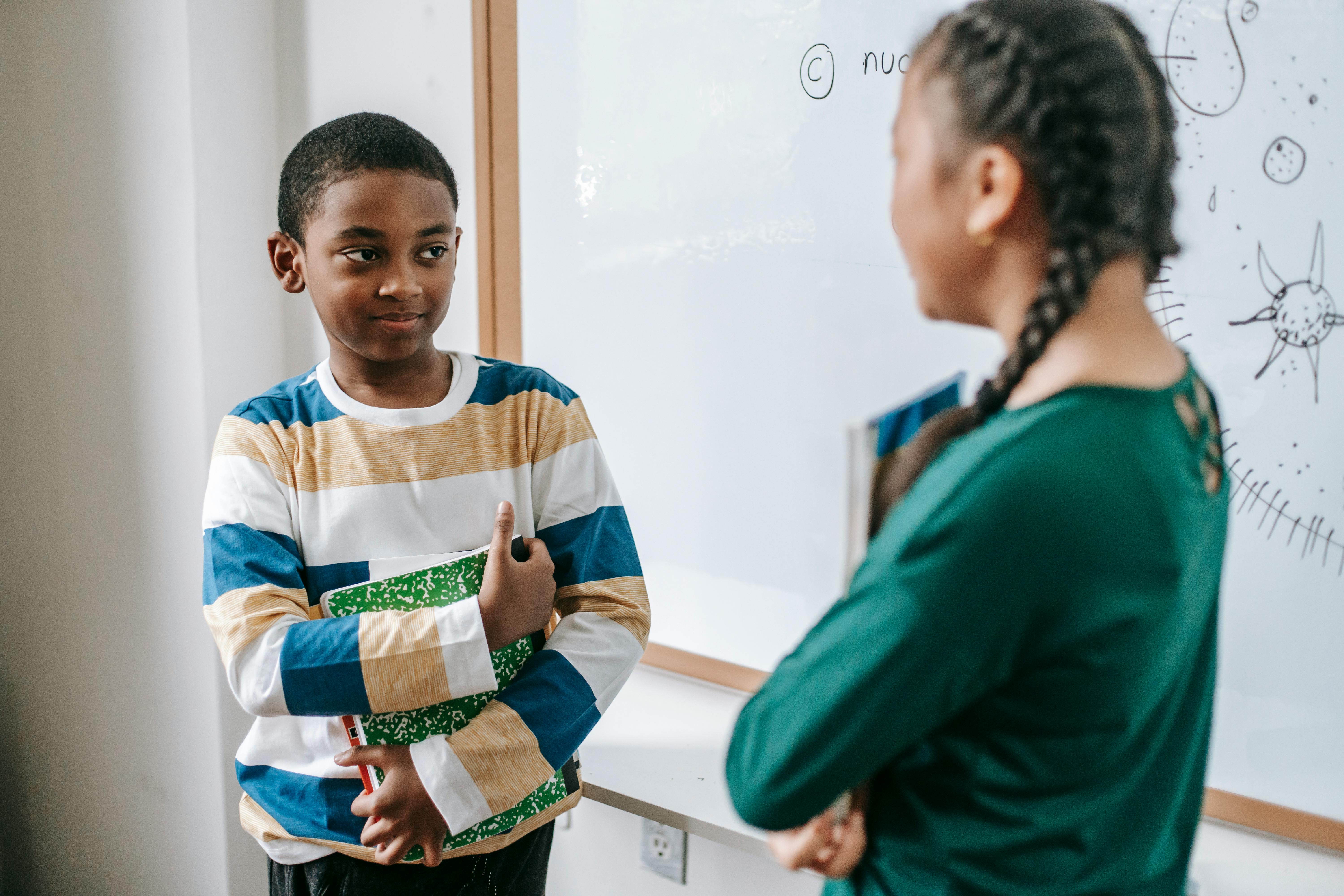
Across the world, thousands of students take part each year in science fairs, invention exhibitions and research competitions. Their projects often demonstrate creativity, technical skill and rigorous experimentation. Yet once the competitions end, much of this work disappears from view, undocumented and unpublished.
JSTI aims to change that.
Bridging Competition and Academic Research
Unlike traditional academic journals, which primarily serve university researchers and established scholars, JSTI focuses on early-stage researchers at the secondary school level. Its mission is not to compete with top-tier university journals, but to provide a first formal academic publishing experience for young innovators.
The journal welcomes submissions based on science fair projects, invention designs, engineering prototypes and competition-based research. Students may submit independently or with the guidance of a supervising teacher, reflecting the mentorship structures already common in school-based research.
By translating competition projects into structured academic papers, JSTI encourages students to reflect not only on outcomes, but also on methodology, problem-solving processes and limitations — core principles of scientific inquiry.
Maintaining Academic Standards, Without Excessive Barriers
JSTI employs a peer-review process adapted to its educational mission. Submissions are reviewed for clarity, originality, logical reasoning and methodological soundness, rather than being judged against university-level publication expectations.
Editors emphasise that the goal is not to penalise students for their age or experience, but to introduce them to academic standards in a constructive way.
This approach mirrors a broader shift in science education internationally, where inquiry-based learning and early research exposure are increasingly valued as preparation for higher education.
A Record of Innovation, Not Just a Trophy Shelf
Science competitions often reward final results, but they rarely preserve the full research journey. JSTI positions itself as a long-term archive — a place where student research can be cited, revisited and built upon.
For students considering future study in science, engineering or technology, a peer-reviewed publication offers tangible evidence of academic engagement. For educators, it provides a structured pathway to guide students beyond competitions and towards scholarly communication.
An International Perspective
Published in English and operating under international academic publishing norms, JSTI seeks submissions from students worldwide. Its editorial framework aligns with recognised publication ethics and transparency standards, reinforcing its credibility as an educational academic journal.
As global education systems place growing emphasis on innovation, interdisciplinary thinking and research literacy, platforms like JSTI reflect an expanding definition of who can participate in academic discourse — and when that participation can begin.
Opening the Academic Conversation Earlier
By offering high school students a legitimate space to publish scientific and technological research, the Journal of Scientific and Technological Innovation challenges a long-standing assumption: that academic publishing must wait until university.
Instead, JSTI suggests that curiosity, innovation and disciplined inquiry — the foundations of research — often begin much earlier.
Journal of Scientific and Technological Innovation (JSTI) 是一份專為年輕世代打造的學術期刊,特別聚焦於高中階段的學生與指導老師。我們相信,真正的科學精神從好奇心與勇於嘗試開始,因此 JSTI 不只看重研究結果,更重視你在探索問題、設計實驗與反思過程中的每一步。無論你是第一次接觸學術發表,或已經有研究經驗,我們都希望成為你邁向科學與科技創新的第一個正式舞台。
JSTI 的宗旨,是培育具備批判思考與創新能力的新世代研究者。我們鼓勵學生從生活情境、社會議題或前沿科技中發現問題,透過系統化的方法進行探究,並學習以清楚、嚴謹又易懂的方式呈現成果。期刊的審查與編輯流程,會以專業但友善的態度提供具體回饋,協助你一步步提升研究品質,而不是只用單一標準評斷「好」或「不好」。

作為專為高中生設計的期刊,JSTI 接受多元型態的研究成果,包括實驗研究、資料分析、工程設計、程式與演算法開發、科學專題報告、創新應用專案等。我們特別歡迎跨領域的作品,例如結合科學、科技、人文與社會議題的研究,只要具備清楚的問題意識、合理的方法與誠實的結果呈現,都有機會在 JSTI 上發表。
JSTI 也是一個正式的學術發表平台,每篇錄用文章都會經過審查、編輯與線上公開,讓你的研究成果可以被同儕、老師與更廣泛的學術社群看見。透過投稿與發表的過程,你不僅能累積作品與經驗,更能提早熟悉學術世界的運作方式。無論你是學生、指導老師或學校團隊,我們誠摯邀請你加入 JSTI,一起為科學與科技創新的未來奠定基礎。
投稿對象與資格說明
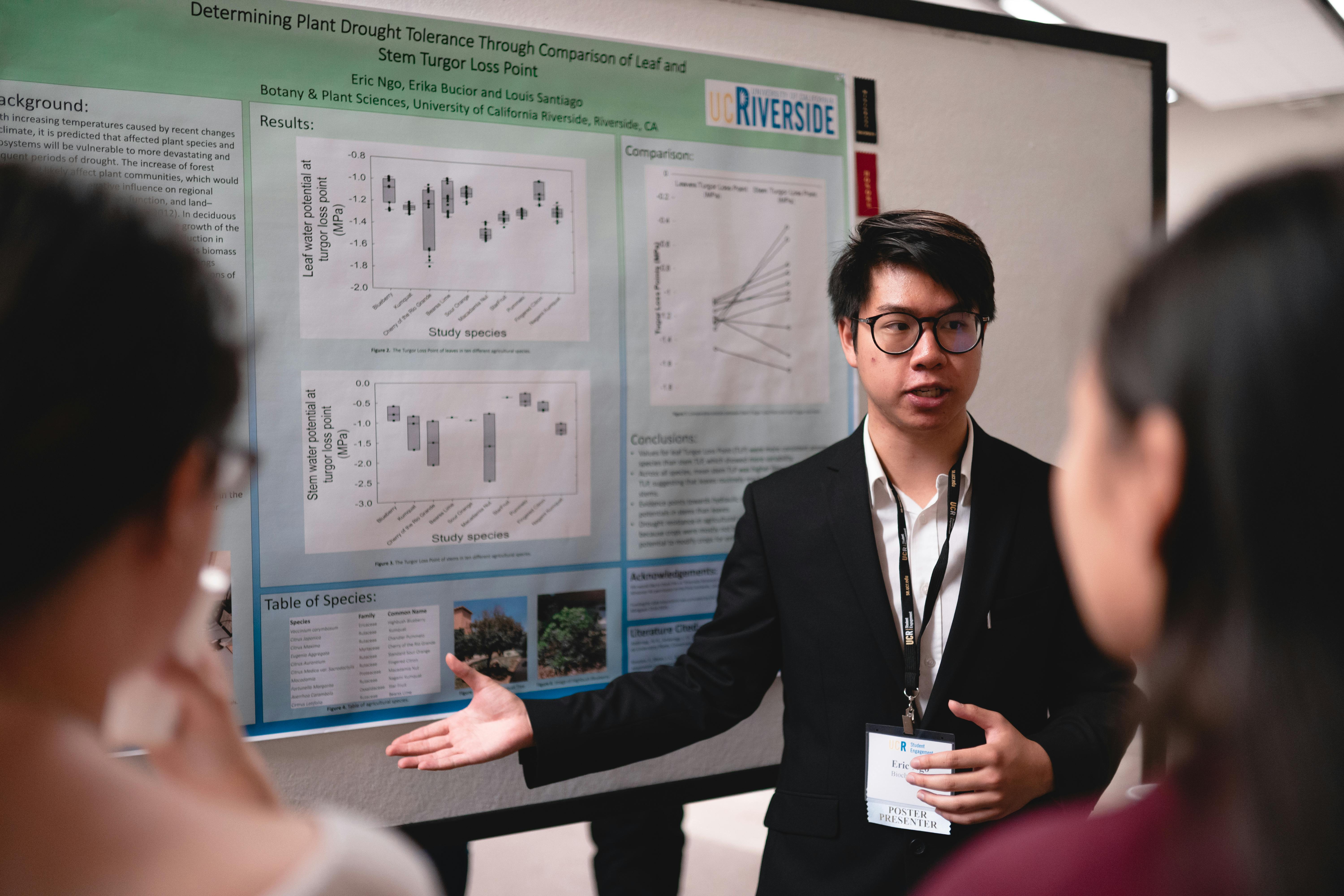
本刊主要歡迎高中學生投稿,無論你就讀普通高中、技術型高中或實驗教育,只要對研究有熱情,都具備成為作者的潛力。你可以依據既有成果撰寫論文,例如:科學展覽、發明展、專題研究、競賽型研究等,只要內容具備明確的問題意識、方法與結果分析,我們都樂於審閱。
投稿方式可以是學生單獨投稿,也可以在指導教師或 Mentor 協助下共同投稿。指導教師的角色是陪你釐清想法、提供研究方法建議、協助論文結構與表達,而不會、也不應取代你作為研究主體。我們重視的是你的觀察、你的思考與你的聲音。
即使這是你第一次嘗試正式學術寫作,也完全沒關係。我們相信,高中階段的你已經有能力達到學術發表的標準,只要願意整理資料、反覆修訂、勇於面對回饋,就能寫出扎實而有深度的作品。請放心地把你的研究成果整理成文,讓更多人看見你的努力與創新。
本期刊鼓勵與接受的投稿範圍
本期刊歡迎各種以科學與科技為核心的學生研究與創作,只要能清楚說明研究動機、方法設計、問題解決過程與反思,不一定要有「完美結果」。以下類型皆可投稿:
- 科學實驗與探究研究:針對自然或社會現象提出問題,設計實驗或調查,蒐集與分析資料,說明你如何修正假設與方法。
- 工程設計與技術創新:為解決真實情境中的需求,設計裝置、系統或程式,重點在於設計思路、反覆改良與效能評估。
- 發明作品的原理與測試分析:介紹你的發明構想,說明科學或工程原理,並呈現測試方法、失敗嘗試與改進歷程。
- 科展/競賽作品整理:將原本為科展或競賽準備的作品,轉寫成完整研究報告,補充背景文獻、方法細節與研究限制。
- 跨領域研究:如 AI × 科學、科技 × 環境、科技 × 教育 等,說明不同領域如何結合、彼此帶來什麼新觀點或工具。
撰寫時,請特別著重:
- 為什麼想做這個主題?(研究動機與問題意識)
- 你如何設計方法與工具?(研究或設計流程)
- 遇到哪些困難?如何調整?(問題解決策略)
- 結果代表什麼?有何限制與下一步?(反思與展望)
範例情境 1:你原本為科展設計了一套「教室二氧化碳監測與通風提醒系統」。在轉寫成期刊論文時,可以先說明為何關心教室空氣品質,接著描述感測器選擇、程式設計與通風門檻設定的理由,再呈現實際在教室測試的數據與使用回饋,最後反思系統的限制(例如成本、安裝位置)與未來改良方向。
範例情境 2:你曾用 AI 影像辨識協助分類校園植物。投稿時,可先介紹校園植物辨識的需求與既有工具的不足,說明你如何蒐集影像資料、切分訓練與測試集、選擇模型與調整參數,並比較不同模型的準確率與錯誤案例,最後討論資料偏誤、模型侷限,以及未來如何擴充到更多物種或結合教學活動。
只要能清楚呈現從「問題」到「方法」再到「結果與反思」的完整思考歷程,你手上的作品——無論是科展、競賽作品、課堂專題或個人興趣實作——都很有機會轉化為一篇有價值的期刊論文。
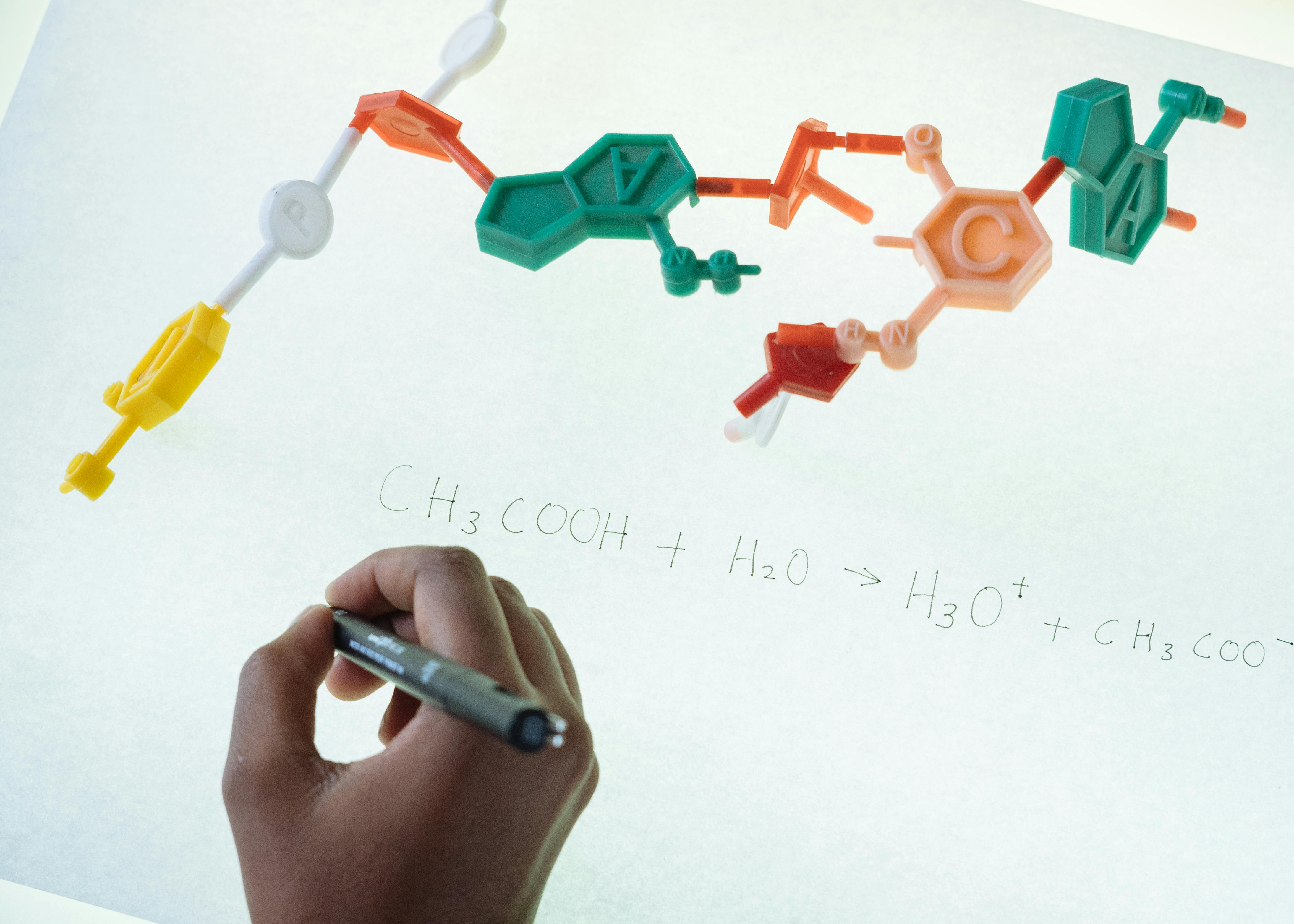
本期刊特別重視「過程」而非只看「成果」。即使結果不如預期,只要你能誠實呈現嘗試與修正的歷程,說明從中學到什麼,仍然是非常有價值的投稿。
- 科學實驗與探究:可以是控制變因的實驗,也可以是觀察或問卷調查。請清楚描述實驗設計、樣本來源、資料分析方式,以及你如何解讀結果。
- 工程與技術作品:請說明需求分析、設計目標、原型製作、測試指標與改良紀錄,而不只是展示成品外觀。
- 發明與創意專題:可從生活問題出發,說明你如何發想點子、查找相關技術、選擇材料與結構,並以實驗或使用者回饋來檢驗構想。
- 跨領域整合:例如利用感測器與資料分析探討校園環境變化,或設計結合程式與教學活動的學習工具,請強調不同領域如何互相支援。
如果你不確定自己的作品是否「夠科學」或「能不能寫成論文」,可以先試著回答以下問題:
- 我一開始想解決的是什麼具體問題?
- 我做了哪些步驟來解決它?有沒有記錄過程?
- 我得到哪些資料或觀察?如何整理與比較?
- 如果重來一次,我會改變哪些設計或方法?
能夠回答這些問題,就代表你已經具備撰寫期刊論文的基礎。投稿時,請將原本分散在筆記、簡報或展板上的內容,整理成有結構的文章:從背景與動機開始,接著是方法、結果、討論與結論,最後附上參考資料與致謝。這樣,你的研究與創作就能被更多人看見與學習。